The current value of stearic salts is heavily affected by a intricate interplay of variables . Raw material prices , particularly palm oil and fat, represent a major portion of the aggregate processing cost. Supply chain delays, geopolitical volatility, and freight charges can also generate changes in the market rate . Furthermore, demand from key markets, such as soaps and plastics, directly affects the valuation . Finally, energy bills and personnel rates within the processing operation contribute to the concluding cost seen by purchasers.
Top Stearic Compound Producers Internationally: A 2024 Order
Determining the absolute top producers of stearic acid worldwide presents a challenge due to the fragmented nature and varying reporting practices. However, based on available information and industry assessments , a working order for 2024 emerges . Key contenders include Wilmar International , consistently appearing among the biggest volumes handled. Other significant firms to note are {Associated Hybrids Technology, Emery Oleochemicals , and KLK Sdn Bhd. This evaluation incorporates volumes, market share , and cumulative sector reputation . It's important to remember that industry dynamics can significantly impact these standings over time .
- Wilmar International – Consistent presence in the worldwide market .
- KLK Oleo Bhd – Emerging producers with specific capabilities.
Key Stearic Acid Manufacturers & Their Production Capacities
Several leading producers currently dominate the global stearic acid sector. Among these, Oleon NV appears as a key player, boasting an estimated annual output of around 75,000 metric tons . Similarly, Kao Corporation maintains a considerable manufacturing capability with a yearly output exceeding 55,000 units. Wilmar International as well holds a robust position, claiming an annual volume close to 50,000 metric tons . Lastly, Emery Oleochemicals features a appreciable capacity, assessed as roughly 50,000 metric tons per cycle. These figures represent the total production volume of some of the biggest stearic acid producers .
Finding the Right Stearic Acid Distributor: Factors to Consider
Selecting a trustworthy vendor of this fatty acid can significantly impact your production. When looking for a appropriate partner, carefully evaluate several important factors. The substance's integrity is critical; verify they offer stable grades that fulfill your precise requirements. Beyond that , check their shipping options to promise on-time distribution. Cost is always a point, but don't prioritize it; consider the complete click here package including support and technical expertise . Finally, check their reputation and customer references to receive a perspective their pledge to client fulfillment .
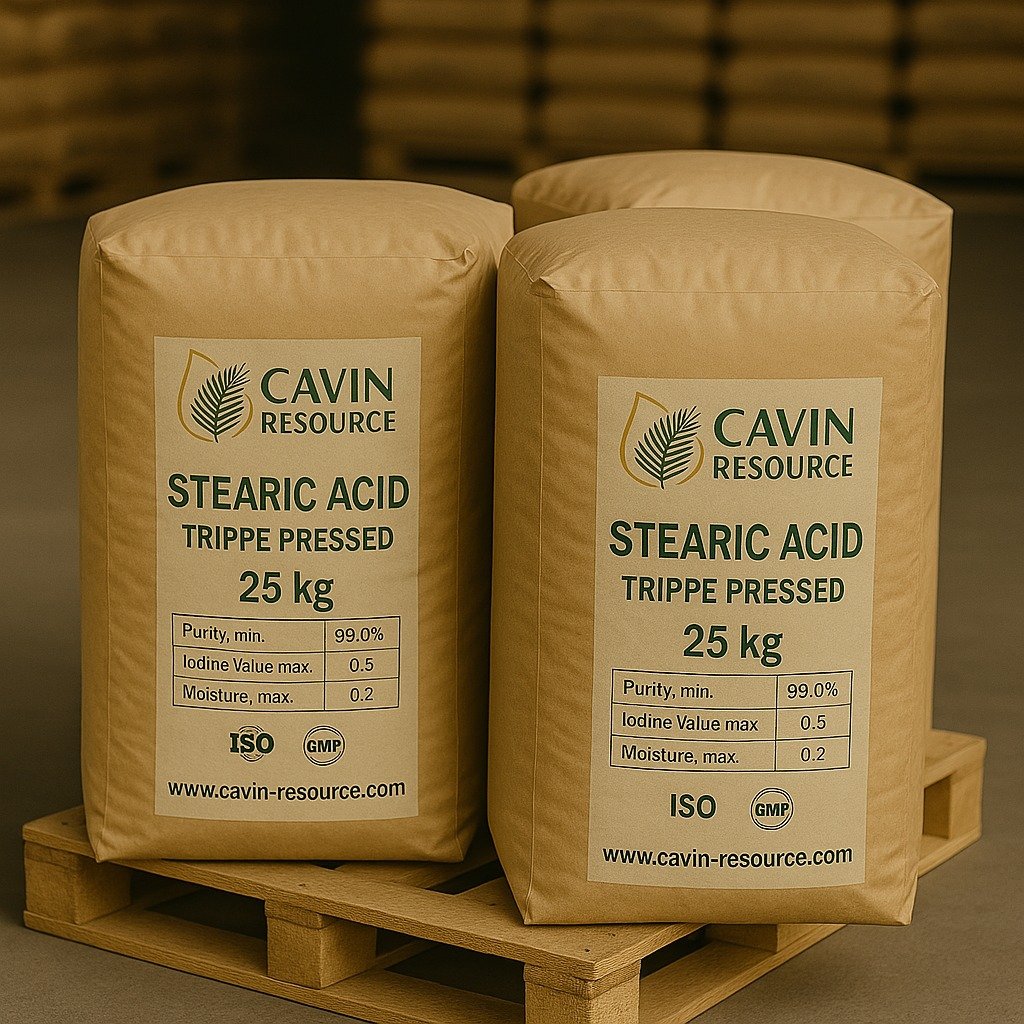
Stearic Acid Supply Chain: Producers, Distributors & Market Trends
The worldwide flow for stearic acid is intricate, requiring a range of manufacturers, channels, and evolving market patterns. Key sources are primarily located in Asia, the EU, and Canada, frequently utilizing vegetable fats like vegetable fat or tallow. These components are then distributed through a system of specialized distributors and trading companies to a broad range of industries, such as beauty products, foodstuffs, drugs, and lubricants. Current movements suggest increasing demand due to expanded usage in green products, price instability driven by feedstock costs and global events, and a focus on plant-derived alternatives.
Impact of Raw Material Costs on Stearic Acid Prices
The prevailing cost of stearic acid is directly influenced by the changes in raw material expenditures. Primarily, stearic acid creation relies on vegetable oil and its derivatives as crucial inputs. Rising palm oil values, often spurred by factors like weather conditions , labor shortages , and worldwide need patterns , directly translate to elevated stearic acid costs . Similarly, shifts in tallow quantity, which is a residue of the livestock processing industry, can also affect stearic acid rate. Consequently , manufacturers of stearic acid often face challenges to modify their rates to reflect these underlying raw material shifts.
- Palm Oil Price Volatility
- Tallow Supply and Demand
- Agricultural Factors Affecting Production